

Ana Mouta is a psychologist and researcher in Education working at the intersection of Artificial Intelligence, digital education, and human agency. She holds a PhD in Education from the University of Salamanca, where her research on AI, ethics, and human agency was awarded the Extraordinary Doctoral Award (2025) and informed the design and implementation of a teacher education programme in this field. Her work focuses on the ethical, pedagogical, and systemic implications of AI in education, with particular attention to assessment, professional judgement, and participatory approaches to technology integration. With over 20 years of professional experience, she has worked across academic, public, and EdTech corporate sectors, collaborating with schools, universities, governments, and international organisations in more than 20 countries, including partnerships with companies such as Microsoft and Intel.
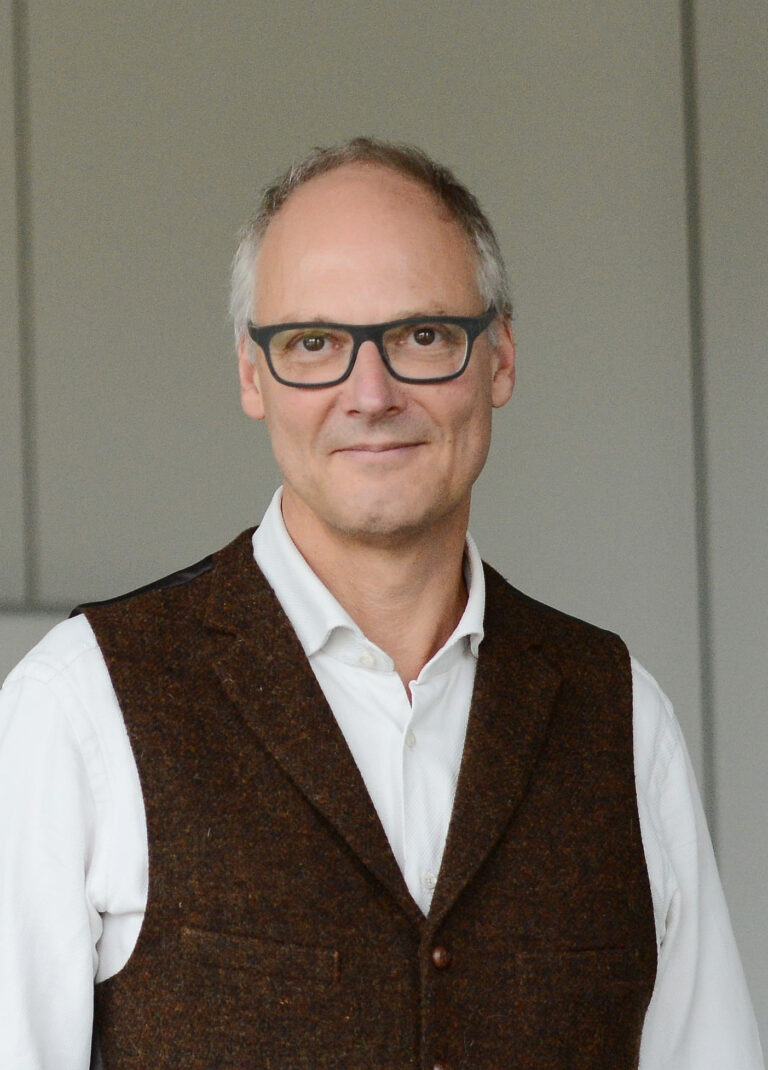
Arne Manzeschke is Professor of Ethics and Anthropology and Director of the Institute for Nursing Research, Gerontology and Ethics at Lutheran University for Applied Science Nuremberg. Training in Computer Science; Academic Studies in Theology and Philosophy in Munich, Tuebingen Erlangen; Doctorate and Habilitation at the University of Erlangen-Nuremberg; Research Topics: Ethics and Anthropology in the fields of Technology, Health Care, an Economics; Spokesperson for the Technical Committee on »Medical Technology and Society« at DGBMT (German Society for Biomedical Technology).

Elora Fernandes is a Postdoctoral Researcher at the KU Leuven Centre for IT & IP Law (CiTiP), where she specializes in children's rights in the digital environment. She is currently working on the ORCHID project, which aims to analyze the interplay between the GDPR and other legislation within the EU Digital Rulebook (such as the AI Act and the DSA) through the lens of children's rights. Previously, she completed a Joint PhD in Law at the State University of Rio de Janeiro (UERJ, Brazil) and KU Leuven on the risks to children’s data protection in educational technology. Beyond academia, she has worked at not-for-profit organizations focused on digital rights, such as ARTICLE 19, Privacy International, the Berkman Klein Center at Harvard University, and The Gov Lab. She also gained experience in the public sector, serving as a Trainee and Interim Legal Officer at the European Data Protection Supervisor (EDPS).
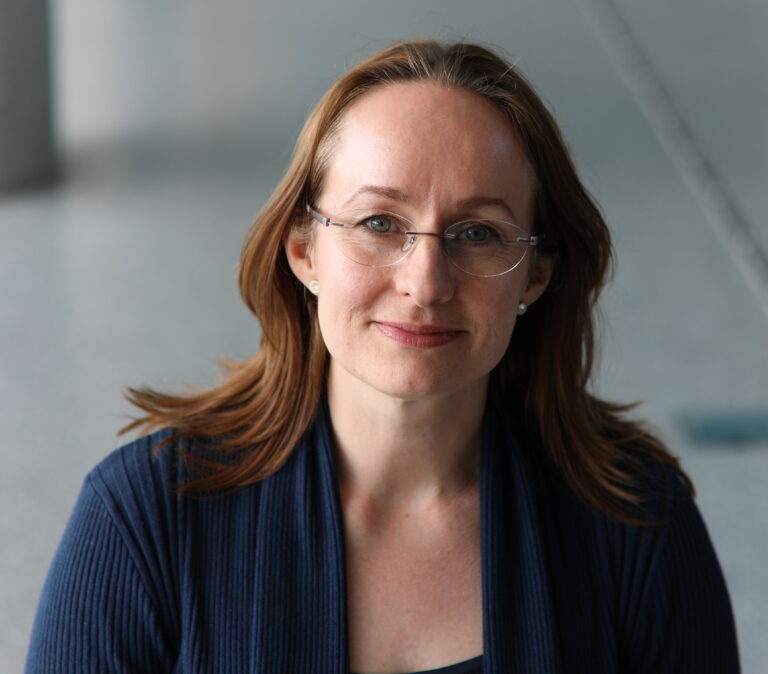
Leonora Onarheim Bergsjø, PhD, is an Associate Professor at Østfold University of Applied Sciences and the University of Agder, Norway. Her research focuses on the responsible and ethical use of artificial intelligence (AI), with particular emphasis on methodologies for ethical risk assessment of AI in real-world practice.
She has extensive experience working with ethical frameworks, research ethics, and interdisciplinary collaboration related to AI in education.
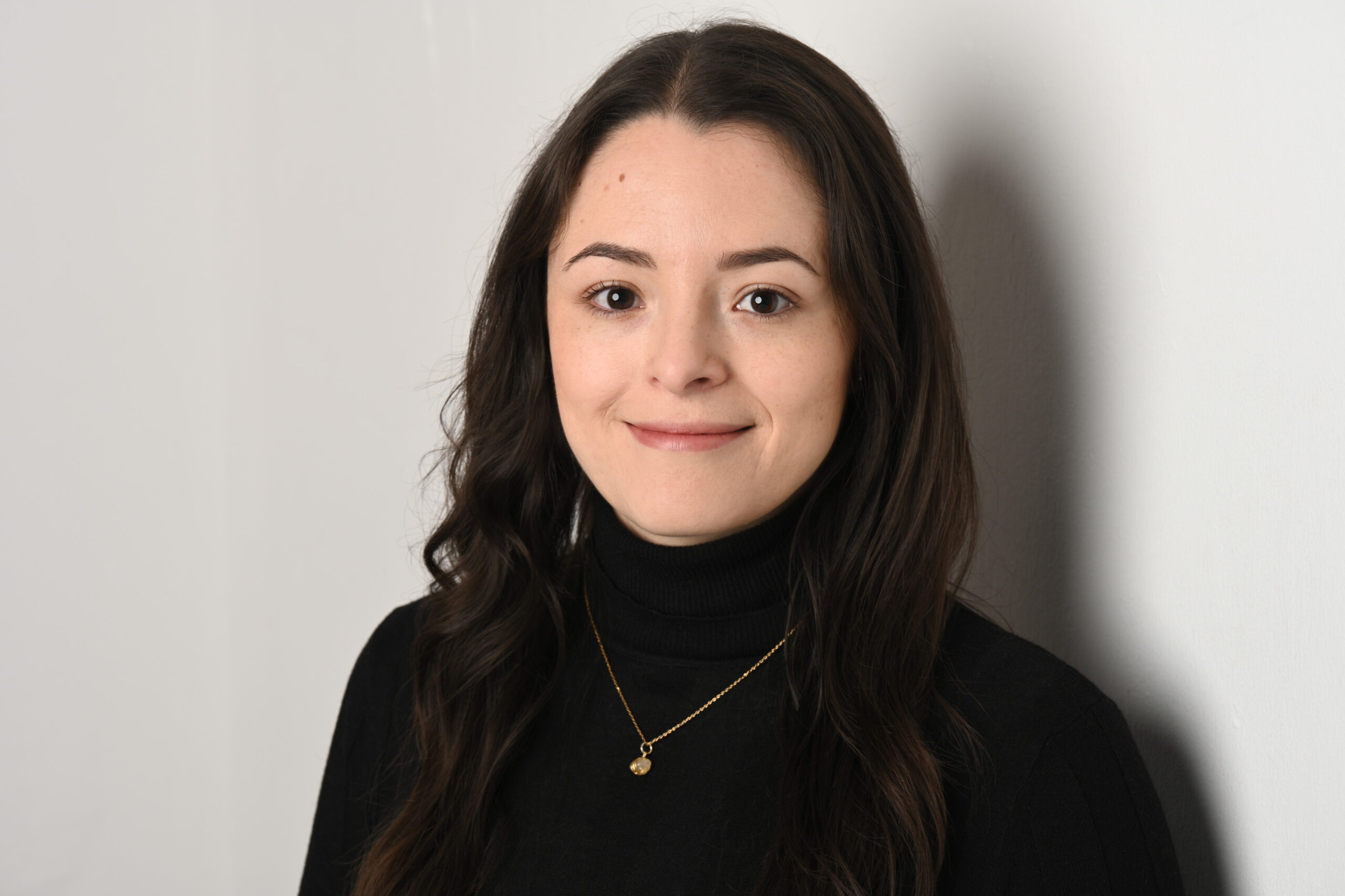
Dr Leslye Denisse Dias Duran is an Early Career Research Fellow at the Institute for Ethics in AI at the University of Oxford and works on the Children’s Agency in the Age of AI (CHAILD) project. Her research interests span moral philosophy, applied ethics, relational theory, and technology, and include investigating how emerging technologies influence human decision-making and agency in critical sectors such as education and healthcare.
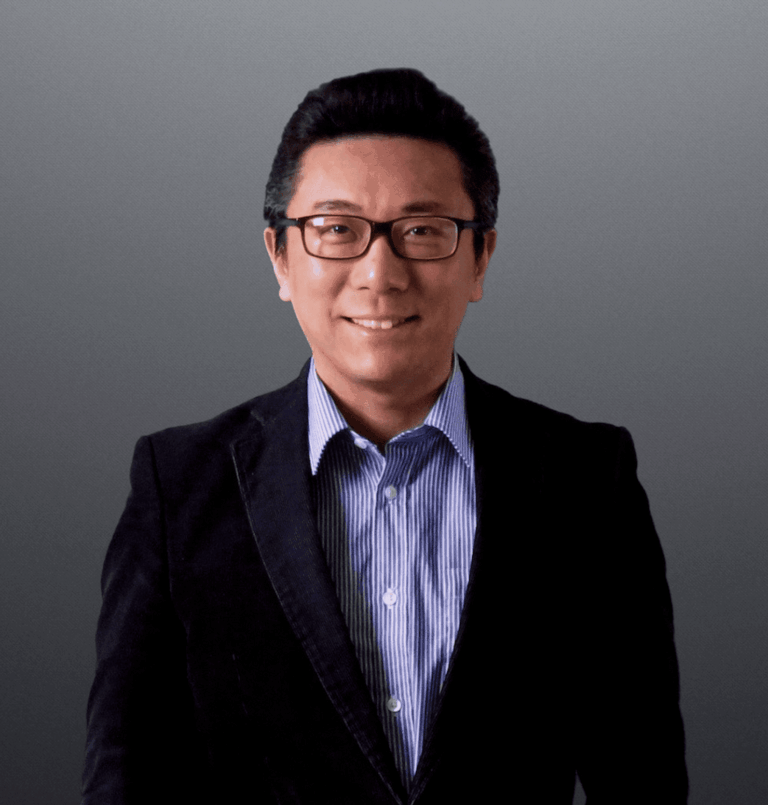
Ran Zhang is an applied researcher in the Research Group Organisations in Digital Transition at HU University of Applied Sciences, where his work focuses on the interaction between technology, organisations, and human decision-making. He holds a PhD in Organisational Behaviour and works on topics including AI skills, AI-supported selection and assessment, evidence-based practice, and XR learning environments. He is also a lecturer and a member of the Examination Board within HU’s Institute of International Business Studies, with practical experience in assessment quality, academic integrity, formal decision-making, and procedural fairness.